
Introduction: The Misunderstood Dental Procedure
Few medical phrases trigger as much unnecessary anxiety as the words "root canal." For decades, television shows, casual conversations, and dental folklore have painted root canal therapy as an agonizing ordeal. However, in modern dental science, this reputation could not be further from the truth.
The clinical reality is straightforward: root canal treatment does not cause pain; it permanently relieves it. When performed by trained endodontic specialists using advanced local anesthetics, electronic apex locators, and computerized rotary instrumentation, a root canal procedure is as quiet, comfortable, and routine as receiving a standard aesthetic filling.
Understanding Tooth Anatomy: Why Root Canals Become Necessary
To understand why this procedure is so effective, it helps to review the basic anatomical layers of human teeth:
- Enamel: The hard, calcified outer shield that protects against chewing wear.
- Dentin: The microscopic tubule layer beneath enamel that transmits temperature sensations.
- Dental Pulp: The soft, vital core inside the tooth containing blood vessels, cellular tissue, and sensory nerve endings that nourish the tooth during growth.
When aggressive bacterial decay breaches the enamel and dentin, or when a traumatic impact fractures the crown, oral microbes invade the sterile pulp chamber. The body mounts an inflammatory response; however, because the pulp is encased in rigid hard tissue walls, fluid cannot expand. This builds intense intra-pulpal pressure, producing the familiar throbbing toothache that worsens at night or when lying down.
Left untreated, the internal pulp tissue dies (necrosis), and the infection spreads through the root tips into the surrounding jawbone, forming painful periapical abscesses, cysts, or facial cellulitis.
Debunking 5 Widespread Root Canal Myths
Let us examine the common misconceptions held by patients versus the established facts of modern endodontics:
Myth 1: "The procedure is intensely painful."
Clinical Fact: Modern anesthesia agents such as articaine and lidocaine completely block nerve transmissions. Specialists confirm profound anesthesia before touching the tooth. Patients routinely feel light pressure or vibration, but zero acute pain. In fact, most patients experience immense immediate relief because the nerve causing their excruciating toothache is cleanly removed.
Myth 2: "It is better and faster to just pull the tooth out."
Clinical Fact: Nothing artificial—neither bridges nor dental implants—can completely replicate the sensory feedback, chewing dynamics, and biological preservation of your natural tooth and periodontal ligament. Tooth extraction causes gradual bone resorption, shifting of adjacent teeth, and altered bite mechanics. Extracting a tooth often requires more complex restorative work later on.
Myth 3: "Root canals cause systemic illness or arthritis."
Clinical Fact: This long-discredited myth stems from poorly designed animal experiments in the 1920s that lacked modern aseptic controls. Countless epidemiological studies by the American Association of Endodontists (AAE) have definitively confirmed that root canal treatment is completely safe and protects the body by eliminating harmful bacterial reservoirs.
Myth 4: "If my tooth stops hurting, I do not need a root canal anymore."
Clinical Fact: Sudden cessation of severe tooth pain without dental treatment is a major warning sign. It usually indicates that the sensory nerves inside the tooth have fully died and decomposed. The bacterial infection has not disappeared; it is now quietly burrowing into the alveolar jawbone, silently eating away bone tissue.
Myth 5: "After a root canal, the tooth will crumble away quickly."
Clinical Fact: While a non-vital tooth loses internal moisture and becomes somewhat more brittle, modern restorative dentistry solves this completely. Placing a custom-milled full-coverage crown (such as high-translucency monolithic zirconia) protects the tooth against biting forces and allows it to function comfortably for a lifetime.
Step-by-Step: What to Expect During the Procedure
At an advanced clinic like KGH Dental, root canal therapy is conducted under strict magnification and sterile isolation through sequential stages:
- Digital Radiography & CBCT Assessment: High-resolution digital X-rays map root canal curvature, canal branches, and bone lesions.
- Profound Local Anesthesia: Targeted delivery ensures complete numbness throughout the treated quadrant.
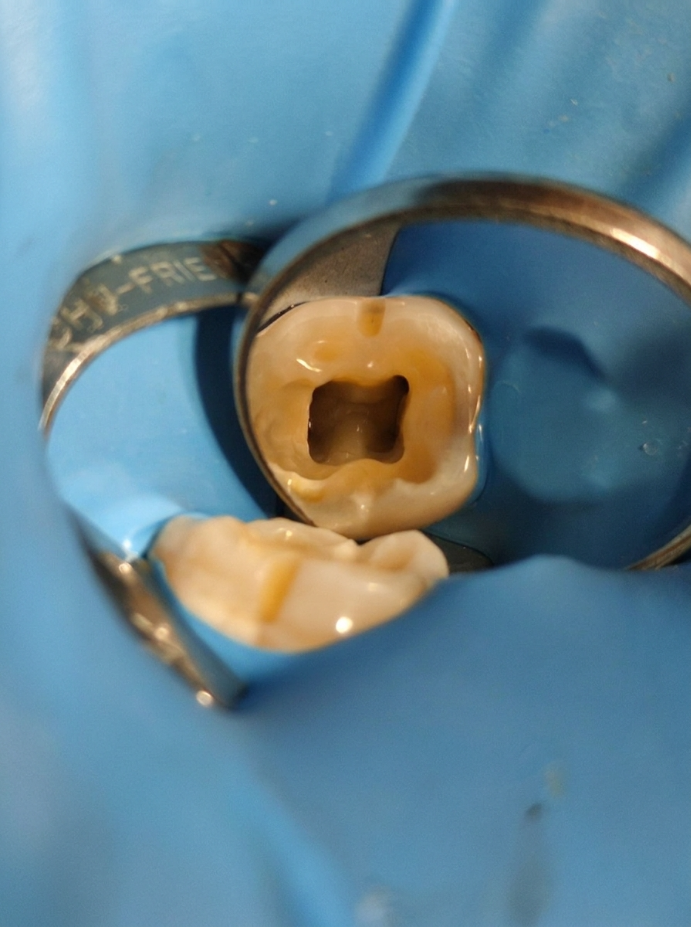
- Rubber Dam Isolation: A flexible silicone barrier isolates the tooth from oral saliva, preventing salivary bacteria from re-contaminating the root canals.
- Micro-Access Cavity: A small opening is made on the chewing surface to visualize the pulp chamber.
- Biomechanical Rotary Cleaning: Flexible nickel-titanium (NiTi) rotary files meticulously cleanse and shape the micro-canals, aided by continuous antibacterial irrigants like sodium hypochlorite and EDTA.
- Working Length Verification: Digital apex locators precisely locate the apical constriction down to the tenth of a millimeter.
- Hermetic 3D Obturation: Once disinfected, canals are sealed with biocompatible gutta-percha cones and resin sealers, locking out future bacterial ingress.
- Post-Endodontic Restoration: A fiber post and adhesive core build-up followed by a precision crown restores chewing strength and aesthetics.
Post-Treatment Recovery and Home Care
Following therapy, slight tenderness around the surrounding gum tissue or jaw joint is completely normal for 24 to 72 hours. This is typically managed with simple over-the-counter anti-inflammatory medications. Maintaining regular twice-daily brushing and flossing keeps the surrounding periodontium healthy.
Conclusion: Protecting Your Natural Smile
A root canal is a sophisticated, tooth-saving procedure that relieves pain and protects your natural smile. If you are experiencing lingering temperature sensitivity, throbbing ache, or pain when chewing, seek prompt endodontic evaluation before the infection causes irreversible bone loss.
Medical Disclaimer & Clinical Review
All health content is medically reviewed by certified dental specialists at KGH Dental. Always consult a certified dentist for clinical diagnosis and customized treatment plans.