
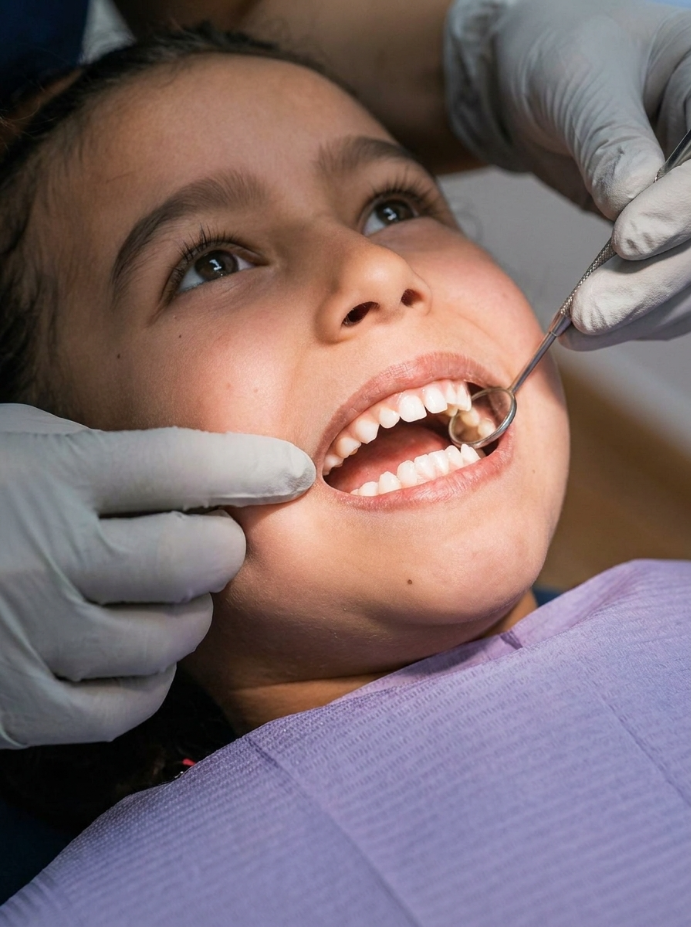
The Critical First Years of Pediatric Dental Health
A widespread and hazardous misconception among parents is the belief that "baby teeth do not matter because they will fall out anyway." In pediatric medicine, this belief frequently leads to preventable dental emergencies, sleepless nights for infants, and long-term orthodontic complications.
The global recommendation from both the American Academy of Pediatric Dentistry (AAPD) and international health bodies is unequivocal: a child should have their very first clinical dental visit when their first tooth erupts, or no later than their first birthday, and certainly before reaching three years of age.
The Vital Biological Functions of Primary (Milk) Teeth
Far from being temporary placeholders, primary teeth perform essential developmental roles throughout childhood:
- Guiding Permanent Teeth: The roots of primary molars form an architectural cradle directly above the buds of permanent premolars, guiding them into normal alignment.
- Nutritional Digestion & Growth: Healthy teeth allow toddlers to chew wholesome fruits, vegetables, and proteins thoroughly, ensuring proper gastrointestinal absorption during peak physical growth.
- Speech Phonetics Development: Front incisors are indispensable for pronouncing lingual-dental consonants such as "th," "s," "d," and "t." Premature decay can impair speech clarity and social confidence.
- Craniofacial Jaw Development: Chewing forces stimulate the growth plates of the maxilla and mandible, fostering symmetrical facial bone proportions.
The Menace of Early Childhood Caries (Baby Bottle Decay)
The primary dental disease affecting toddlers between ages 1 and 4 is Early Childhood Caries (ECC). It often begins as subtle chalky-white demineralization lines along the upper gumline, quickly progressing to dark brown cavitated lesions that destroy entire tooth crowns.
How Does ECC Develop?
When infants are put to bed with a nursing bottle containing milk, formula, sweetened water, or fruit juice, salivary flow naturally drops during sleep. The natural sugars pool continuously around the upper front teeth, bathing oral bacteria (such as Streptococcus mutans) in fuel. The bacteria produce lactic acid, which rapidly dissolves the delicate, thin enamel of baby teeth.
Preventive Pediatric Therapies Available at the Clinic
Taking your child to a specialist pediatric dentist before problems emerge unlocks comfortable, highly effective preventive treatments:
1. Pit and Fissure Sealants
The chewing surfaces of primary and permanent molars possess deep microscopic grooves (fissures) where toothbrush bristles physically cannot enter. Pediatric dentists apply a clear or tooth-colored liquid resin shield that cures with light, sealing the grooves against plaque and preventing up to 80% of molar cavities.
2. Professional Topical Fluoride Varnish
Applied gently with a soft micro-brush in under one minute, high-concentration fluoride varnish remineralizes fragile enamel, reversing early chalky white spots before they turn into cavities. It is safe, quick, and tastes pleasant for children.
3. Habit-Breaking Guidance (Thumb Sucking & Mouth Breathing)
Vigorous thumb-sucking or pacifier use beyond age 3 can alter the shape of the upper palate, creating an anterior "open bite" where front teeth cannot touch. A pediatric specialist can identify early skeletal changes and provide gentle behavioral or appliance-assisted solutions.
Establishing a Positive "Dental Home" and Banishing Dental Fear
The psychological benefit of early visits is immense. When a child's first dental experience takes place in a non-painful, welcoming environment, they discover that dental clinics are friendly, interesting places. They sit on a parent's lap, meet the doctor, ride the magical moving dental chair, and receive positive reinforcement.
In contrast, if a child's first encounter with a dentist occurs at age 5 or 6 during an agonizing nighttime abscess requiring emergency extraction, the resulting trauma can create severe dental phobia (odontophobia) that persists into adulthood.
Practical Daily Oral Care Milestones by Age
- Infants (0–12 months): Wipe gums twice daily with a clean, damp silicone finger brush or soft washcloth, especially after the last evening feed.
- Toddlers (1–3 years): Introduce a soft-bristled baby toothbrush with a tiny grain-of-rice-sized smear of age-appropriate fluoride toothpaste. Assist them with brushing every morning and evening.
- Young Children (3–6 years): Upgrade to a pea-sized amount of toothpaste. Supervise and finish the brushing routine to ensure back molars are thoroughly cleaned.
Conclusion: A Lifetime of Bright Smiles Starts Today
Preventive pediatric dentistry is gentle, proactive, and empowering. By prioritizing early dental check-ups before your child's third birthday, you gift your child a lifetime of cavity-free comfort, robust dental health, and confident smiles.
Medical Disclaimer & Clinical Review
All health content is medically reviewed by certified dental specialists at KGH Dental. Always consult a certified dentist for clinical diagnosis and customized treatment plans.